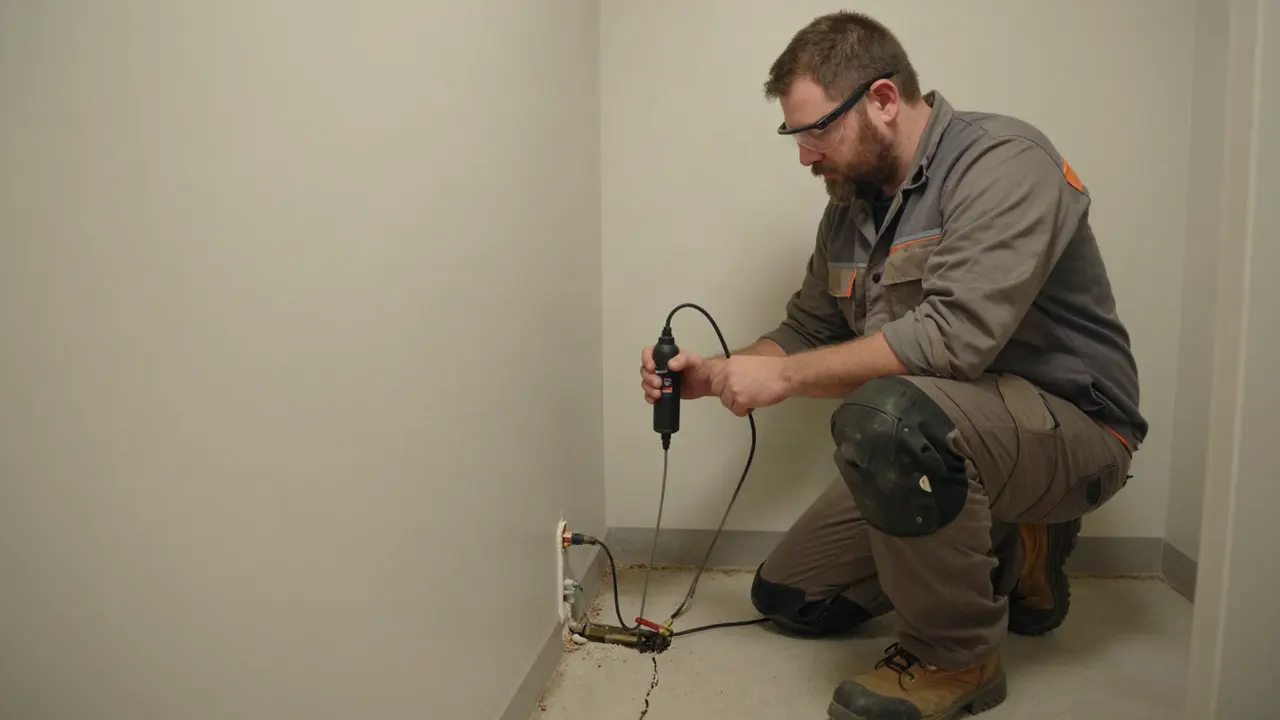
Full pressure test
We isolate hot and cold sides and pressurize each line with a pressure testing kit. A side that loses pressure confirms the leak and narrows it to one run. This takes 20 to 40 minutes and is the step that stops guesswork.
Every detection visit covers the full diagnostic, not just a listening pass. You get a written finding, a marked location, and a repair price. If the leak turns out to be somewhere else, a water heater fitting or an underground main line, we tell you that instead of selling you slab work you do not need.
We isolate hot and cold sides and pressurize each line with a pressure testing kit. A side that loses pressure confirms the leak and narrows it to one run. This takes 20 to 40 minutes and is the step that stops guesswork.
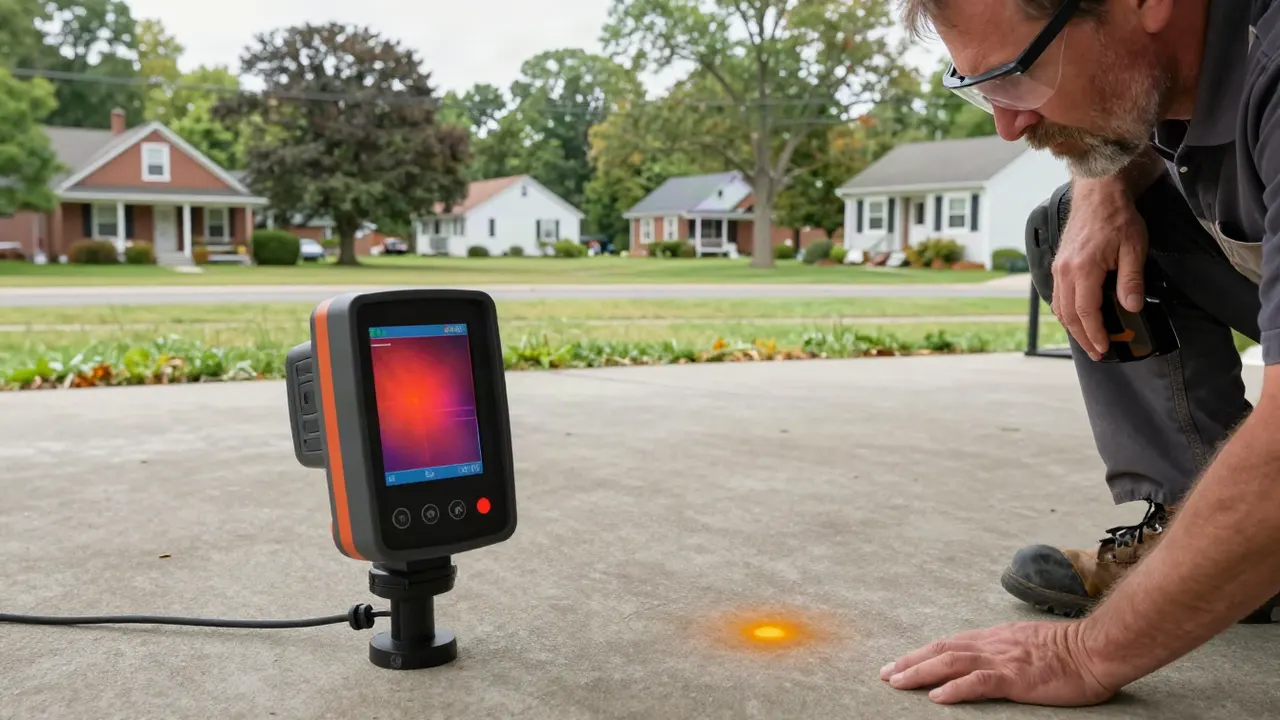
An acoustic leak detection microphone picks up the sound of escaping water, and a thermal imaging camera shows the temperature signature on the floor. Cross-referencing both readings is how we get within a few inches of the break.
An electromagnetic pipe locator traces the buried run so we know depth and direction. We tape the floor at the access point and photograph it, so you have a record of where the line sits for future work.
You get the location, the affected line, the recommended repair, and a flat price before any concrete is opened. No verbal estimates that change once the floor is up.
Hire us for the fix and the detection cost comes off the repair total. You are not paying twice for the same diagnosis, and you are not locked in if you want a second opinion.
Slab Leak Detection in Woburn is the process of finding water escaping from copper pipe, PEX tubing, or PVC pipe buried under a concrete foundation without tearing up the whole floor. We pressurize the system, then walk the slab with an acoustic leak detection microphone and a thermal imaging camera to hear and see where water is moving. An electromagnetic pipe locator maps the line so we know exactly what runs where before anyone picks up a saw.
Woburn's housing stock runs from 1920s colonials near the center to 1980s splits out toward Burlington, and both ends of that range produce slab leaks. Copper under a 60-year-old slab has usually been sitting in damp soil for decades, and root intrusion from mature maples pushes pipes until they crack. If you have been searching for slab leak detection Woburn MA near me at 11 p.m. with water creeping across the basement floor, you are in the right place.
Five steps, no guesswork. Here is exactly what happens from the moment you call until the water is back on and the floor is dry.
Schedule
Call or book online — a real human picks up and confirms a 2-hour arrival window.
Diagnose
Licensed tech inspects on-site, then walks you through the cause and your options.
Fix
The job is completed to code and done right the first time — no shortcuts, no surprises.
Guarantee
Every job backed by a written workmanship warranty — and we stand behind it.
Acoustic leak detection microphone
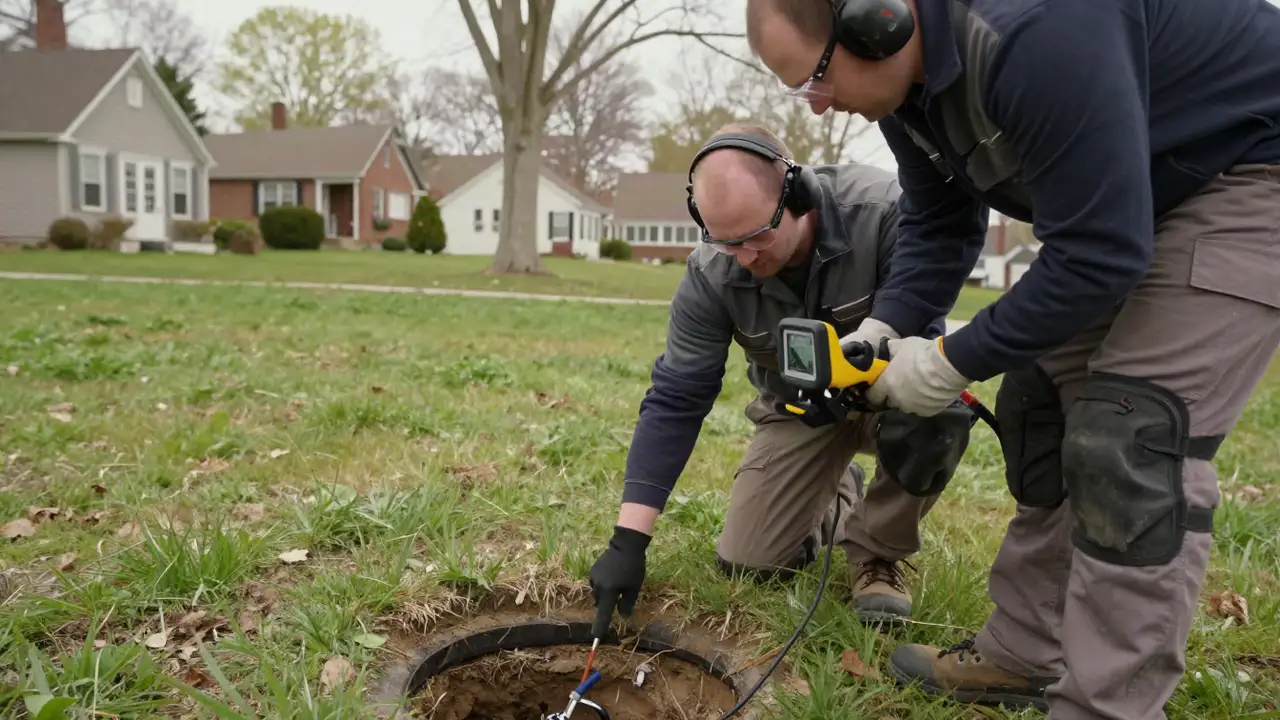
Listens for the specific frequency of water escaping under pressure. We walk the slab in a grid and the loudest reading marks the break, often within a few inches.
Thermal imaging camera (Fluke)
Shows temperature differences on the floor surface. A hot-water leak reads warm, a cold line reads cool, and both stand out against ambient slab temperature.
Electromagnetic pipe locator (SubSurface Instruments)
Traces buried metal and tracer wire to map the run before we cut. Tells us depth, direction, and whether the pipe turns under a wall.
Tracer gas leak detector (Sewerin)
For stubborn leaks that acoustic gear cannot isolate, we introduce a safe tracer gas into the line and follow it to the surface. Useful on deep runs and under thick slabs.
Video pipe inspection camera (RIDGID)
Confirms the condition of the pipe around the repair and catches root intrusion or corrosion further down the run before we close the floor.
Pressure testing kit and moisture meter
Confirms which line is leaking and how far moisture has spread. The pressure test is what turns a suspicion into a diagnosis.
Isolation pressure testing
We shut the main, isolate hot and cold sides, and pressurize each separately. A side that will not hold pressure confirms a slab leak on that run. This is the first step on every job because it stops us from chasing the wrong line.
Acoustic-thermal cross-verification
No single instrument is perfect. We locate with the microphone, confirm with the thermal camera, and only mark the floor when both readings agree. That double-check is why our access cuts land on the leak the first time.
Code-compliant repair and retest
Repairs use new copper or PEX tubing with solder fittings or press fittings rated for burial, installed to Massachusetts plumbing code. We retest the line under pressure and run water before backfilling, so the fix is verified, not assumed.
Post-repair system check
Before we leave, we check the water heater connections, the underground main line, and the surrounding pipe for corrosion. Catching a second weak point now is far cheaper than a second emergency call in January.
01
What we do: We run a full pressure test on both hot and cold sides, then locate any confirmed leak with acoustic and thermal equipment. If the leak is in the slab, we mark it and quote the repair. If it is a running toilet or an irrigation line, we tell you that and save you the slab work.
→ You know exactly where the water is going and what it costs to stop it, usually within one visit.
02
What we do: Water wicking up through a slab usually means a line is leaking underneath. We test the lines, check the underground main, and use a moisture meter to map how far the water has traveled. Then we locate and repair the source.
→ A dry floor and a documented repair, plus a clear answer for your insurance company if you are filing a claim.
03
What we do: We run a pre-purchase leak inspection: pressure test both sides, thermal scan the slab, and check the water heater and main line. You get a written report with findings and, if there is a leak, a repair price you can use in negotiation.
→ You walk into closing knowing whether you are buying a $300 fix or a $5,000 repipe.
04
What we do: We dispatch 24/7 for active leaks. The tech shuts the affected line, confirms the source, and stops the water that night. Permanent repair gets scheduled for the next business day with a firm price.
→ The flooding stops the same night and you have a repair plan before morning.
Woburn sits on a mix of glacial till and clay soils, and that matters for slab leaks. Clay holds water against buried copper pipe, which accelerates corrosion, and the freeze-thaw cycle from December through March puts extra stress on lines that are already thin. Homes near Horn Pond and the low ground along the Aberjona tend to have wetter slabs, which is where we see the most pinhole failures. Older colonials in the Four Corners and Woburn center areas often still have original copper under the slab, while newer builds toward Burlington run PEX, which fails differently at the fittings rather than the pipe wall. We adjust our locating approach to the pipe material and the slab thickness. If you have been searching for slab leak detection under concrete Woburn Massachusetts, we handle that every week. We serve ZIP codes 01801, 01815, and 01888, and we coordinate with the Woburn plumbing inspector when a repair requires a permit.
Four Corners
A high concentration of post-war capes and ranches with original copper under the slab. Corrosion at the pipe wall is the common failure here.
Horn Pond area
Wetter soil and a higher water table mean slabs stay damp. We see more cold-line leaks and more moisture wicking up through the concrete.
Downtown / Woburn Center
Older commercial and mixed-use buildings with thick slabs. Tracer gas locating is often the better tool here because acoustic readings get muffled.
East Woburn toward Burlington
Newer construction with PEX tubing. Failures cluster at fittings and manifolds rather than mid-run, so we scope those first.
Clay-heavy soil holding water against buried pipe
Accelerates corrosion on copper lines and shortens their service life. We factor soil conditions into how aggressively we inspect the surrounding pipe during a repair.
Winter freeze-thaw from December through March
Thermal cycling stresses already-thin pipe and triggers failures at the worst time of year. Emergency dispatch volume peaks in January and February.
Mixed pipe materials across the housing stock
Copper and PEX fail in different places, so we change our locating sequence based on what the home was built with. That saves time and gets you an answer faster.
Most people call us after weeks of watching a bill climb or a floor stay warm. By then the water has been running a while. Here are the problems we see most and what happens if they sit.
Problem
A pinhole leak in a copper line can waste 10,000 gallons a month, which shows up as hundreds of dollars on your next bill and erodes the soil under the slab.
Our Fix
We pressure test both sides, isolate the failing run, and locate the break with acoustic and thermal gear. Most customers get a confirmed location and a repair price the same day, and the bill stops climbing as soon as the line is fixed.
Problem
A hot-water slab leak heats the concrete above it, which dries out hardwood, lifts tile, and can warp a subfloor within a season. Left alone it also drives up your gas or electric bill.
Our Fix
Thermal imaging picks up the warm signature fast. We locate the run, open a small access point, replace the failed section with new copper or PEX tubing, and retest under pressure before backfilling.
Problem
That hiss is water escaping under pressure. It usually means a crack has opened in the pipe, and it will widen. Cracks do not close on their own.
Our Fix
An acoustic leak detection microphone lets us hear the exact spot through the slab. We confirm with pressure testing, then repair the section and check the surrounding pipe for corrosion so the next weak point does not fail in six months.
Problem
Foundation movement from saturated soil under a slab shows up as recurring cracks. Patching the drywall without fixing the water source means you will be patching it again next year.
Our Fix
We treat the cracks as a symptom and go looking for water. Moisture meter readings and pressure tests tell us whether a slab leak is driving the movement. Fix the leak and the cracking stops recurring.
A slab leak never fixes itself. The longer water runs under your foundation, the more it costs you in water, in structural damage, and in the size of the repair. Here is what you get when you call us instead of a general handyman.
Pinpoint accuracy, smaller cuts
We mark the break within a few inches using an ultrasonic leak detector and tracer gas leak detector before any concrete is opened. That means a 2-by-2-foot access cut instead of a 10-foot trench across your living room. Most customers tell us the repair was smaller than they feared.
Same-day answers on cost
You get a clear price before we start, not a range that grows. Typical 2026 pricing in this area runs $180 to $450 for the detection itself, and we credit that toward the repair when you hire us. No surprise line items, no mystery labor hours.
Licensed Massachusetts plumbers
Every technician on a slab leak job holds a Massachusetts plumbing license and works to current state code. We pull permits when the scope requires it and leave you documentation you can hand to an insurer or a buyer without a phone call.
We protect the rest of your system
While we are under the slab, we pressure test the underground main line and check the water heater connections. Finding a second weak spot now costs far less than a second call-out in February. That is how you avoid a repeat emergency.
Google ★★★★★4.9
Found a slab leak two other plumbers missed and cut a small access instead of tearing up the whole floor. Price matched the quote exactly.
Yelp ★★★★★4.8
Came out same day, pressure tested both sides, showed me the thermal image, and had the repair done by afternoon. No upsell, no runaround.
BBB ★★★★★4.9
Handled a rental property emergency at night and documented everything for my insurance claim. Invoices matched the quotes on all three jobs.
Leak Detector Pros has been finding and fixing slab leaks since 2020, and in six years we have worked on everything from 1920s Woburn center colonials with original copper to new builds with PEX under post-tension slabs. Our technicians train on Sewerin and Gutermann acoustic equipment and carry RIDGID and General Pipe Cleaners inspection tools on every truck. We hold Massachusetts plumbing licenses, follow EPA WaterSense guidance on system efficiency, and work to OSHA safety standards on every excavation. When we say we have seen your exact leak before, we mean it.
Real answers to the questions we hear most often from local homeowners and property managers.
The water line from the street to your meter runs underground, and it fails the same way a slab line does. We locate main line leaks with acoustic and tracer gas methods, often on the same visit as your slab detection, so you get one clear picture of the whole system.
View Underground Main Line Leak DetectionWater that shows up on a ceiling often started somewhere else. We trace wall and ceiling leaks with thermal imaging and moisture meters to find the source, which matters when a slab leak has been pushing water up through the framing. One visit, one diagnosis.
View Wall And Ceiling Leak DetectionIf you smell gas near the floor or hear a hiss under the slab, that is an emergency. We use a tracer gas leak detector and pressure testing to locate buried gas line faults fast. Same equipment, same crew, and we coordinate with the utility when needed.
View Gas Leak DetectionA water heater leak can mimic a slab leak, with water pooling at the base of a wall and a rising bill. We test the tank, fittings, and relief valve before we ever open a floor, so you are not paying for slab work when the real problem is a $40 fitting.
View Water Heater Leak DetectionCall (123) 456 7890 any time, day or night. We answer 24/7, and most Woburn calls get a tech on site the same day. If you smell gas, leave the building first and call from outside. For everything else, tell us what you are seeing and we will tell you what to shut off before we arrive.
Phone
(123) 456 7890Address
5 Constitution Way Suite A, Woburn, MA 01801
Hours
Mon–Fri: 7AM – 7PM
Sat: 8AM – 4PM
Sun: Emergency Only
24/7 Emergency Available