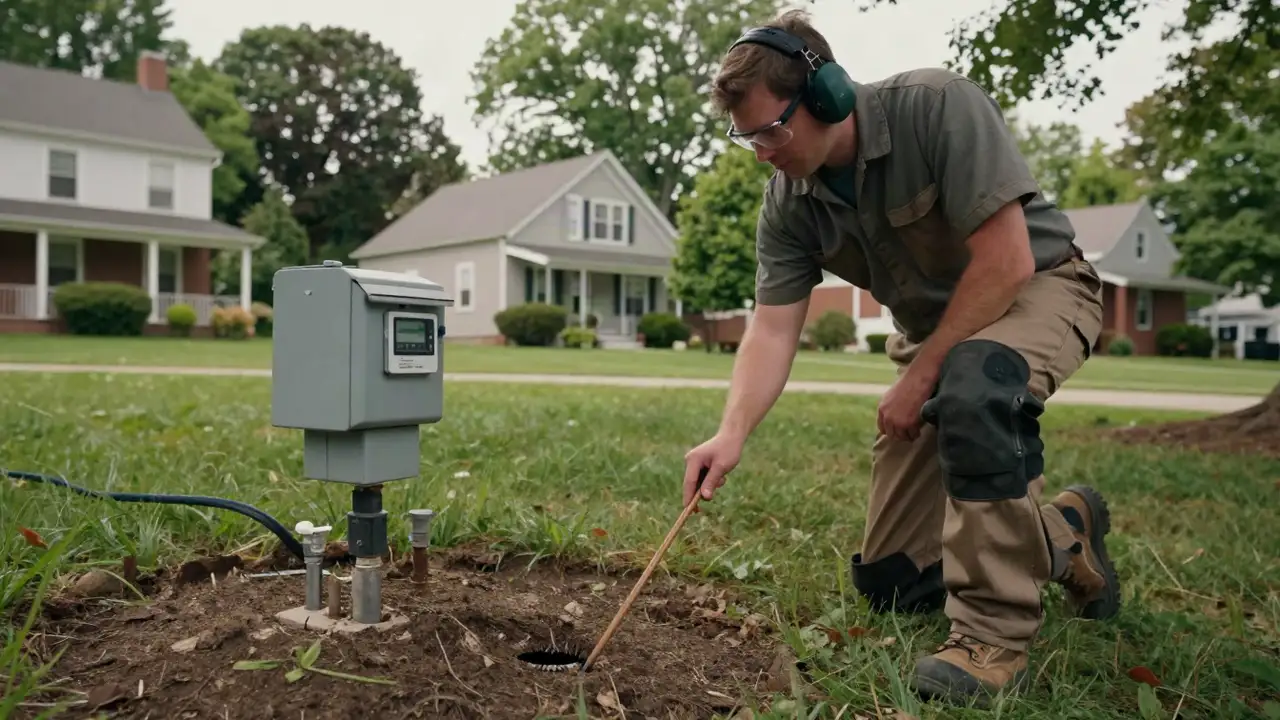
Full Pressure Test
We isolate the main line from house plumbing and pressurize it with a pressure testing kit. A 30-minute hold tells us whether the leak is underground or inside the home. This step alone saves customers from unnecessary excavation.
Every detection job covers the full diagnostic process from pressure test to marked dig spot. Repair is quoted separately once we know the scope, so you are never paying for excavation you do not need.
We isolate the main line from house plumbing and pressurize it with a pressure testing kit. A 30-minute hold tells us whether the leak is underground or inside the home. This step alone saves customers from unnecessary excavation.
We walk the full length of the service line with an acoustic leak detection microphone, listening for the signature hiss of pressurized water escaping through a crack or pinhole. We scan at multiple points to triangulate the loudest signal.
A thermal imaging camera shows us temperature differences in the soil where water is moving. Wet soil reads cooler than dry soil in summer and warmer in winter. This confirms the acoustic finding and narrows the dig window.
We trace the underground pipe with an electromagnetic pipe locator so we know exactly where the line runs before we mark the dig spot. This prevents striking gas, electric, or sewer lines during excavation.
We paint and flag the exact repair location on the surface and give you a written summary of what we found, including pipe material, depth, and recommended repair. You can hand it to any contractor or your insurance company.
Underground Main Line Leak Detection in Woburn is the process of finding exactly where the water service line between your meter and your home is losing water, without excavating the entire run. We pressurize the line, then listen for the leak with an acoustic leak detection microphone, scan for temperature differences with a thermal imaging camera, and confirm the path of the pipe with an electromagnetic pipe locator. Once we know the spot, we dig one small hole, not ten.
Woburn has a lot of older housing stock with original copper pipe and cast iron service lines that have been in the ground 60 to 90 years. Frost heaves, root intrusion, and soil shifting crack those lines slowly, and the leak often shows up first as a high water bill or a wet patch in the yard. If you have been searching for main line leak repair near me Woburn, we handle the whole job, from detection to repair to backfill.
Every job follows the same five steps. You will know what is happening, what it costs, and when we will be done before we start digging.
Schedule
Call or book online — a real human picks up and confirms a 2-hour arrival window.
Diagnose
Licensed tech inspects on-site, then walks you through the cause and your options.
Fix
The job is completed to code and done right the first time — no shortcuts, no surprises.
Guarantee
Every job backed by a written workmanship warranty — and we stand behind it.
Acoustic Leak Detection Microphone
Picks up the sound of pressurized water escaping through a crack in the pipe. We use it to narrow the leak to a 12- to 18-inch window before we dig.
Thermal Imaging Camera
Shows temperature differences in soil and concrete where water is moving. Confirms the acoustic reading and works through surfaces without any digging.
Electromagnetic Pipe Locator
Traces the exact path and depth of the underground service line so we mark the dig spot accurately and avoid striking other utilities.
Tracer Gas Leak Detector
Injects a harmless gas into the line and detects where it escapes. Used when acoustic signals are weak, such as on deep lines or under slabs.
Pressure Testing Kit
Isolates the main line and pressurizes it to confirm whether the leak is underground or inside the home. A 30-minute hold gives a clear yes or no.
Video Pipe Inspection Camera
Runs inside the line to show corrosion, root intrusion, and joint failures on camera. We use it when the leak is near a fitting or a bend.
Moisture Meter
Reads moisture levels in walls, floors, and soil to confirm the leak path and check that the area dries properly after repair.
Pressure Isolation Testing
We close the main valve at the meter, isolate the house plumbing, and pressurize the service line to 80 PSI. If it holds for 30 minutes, the leak is inside. If it drops, the break is underground. This single test saves hours of guesswork.
Acoustic Triangulation
We take microphone readings at three or more points along the pipe path and compare signal strength. The loudest reading is closest to the leak. Combining three points narrows the location to under 18 inches in most cases.
Thermal Correlation
We overlay thermal images with the pipe path from the electromagnetic locator. Where the thermal anomaly lines up with the pipe, that is the leak. This cross-check reduces false positives from drainage or irrigation.
Trenchless Epoxy Lining
For straight-run leaks on accessible lines, we pull a cured-in-place epoxy pipe patch through the existing pipe. It seals the break from the inside without excavation. Not every leak qualifies, but when it does, it saves the yard.
01
What we do: We run a full pressure test and acoustic scan on the main line, plus a check of the meter pit and backflow device. If the leak is underground, we locate it and quote the repair on the spot.
→ You get a written finding to send back to the water department and a repair plan that stops the overage.
02
What we do: We scan the area with a thermal imaging camera and confirm with tracer gas if needed. The pipe path gets marked with an electromagnetic pipe locator before any digging.
→ The leak is found and repaired with one small excavation, and the yard dries out within days.
03
What we do: We roll a truck 24/7 for emergency calls. The tech isolates the main, finds the break, and repairs it with cold-weather fittings designed for frozen-ground conditions.
→ Water is stopped the same night, preventing ice damage to walkways and the foundation.
04
What we do: We run a pre-purchase leak detection scan and pressure test on the service line. If we find a break or a corroded section, we document it with photos and a repair estimate.
→ You go into closing with real numbers, not a guess, and can negotiate the repair into the deal.
Woburn sits on a mix of glacial till and clay soil, and that matters for underground main line leak detection. Clay holds water and hides the surface signs longer than sandy soil, so leaks here often run for months before a homeowner notices. The city also has a large stock of pre-1950 homes with original copper and cast iron service lines. Those pipes corrode from the inside and fail at fittings first. Winter makes it worse. Frost drives 3 to 4 feet deep in a normal Woburn year, and that movement cracks rigid pipe. We see a spike in emergency calls every January and February. If you need underground leak detection Woburn Massachusetts cost estimates, we give you a flat number before we dig. For older homes near the center, we often recommend a video pipe inspection camera run alongside the acoustic scan to check for corrosion along the whole line, not just at the break.
Reeves Hill
Mostly 1920s to 1950s homes with original copper service lines. Corrosion at solder fittings is the most common failure we find here.
Horn Pond
Higher water table near the pond means leaks surface faster but also migrate further. Thermal imaging is especially useful in this area.
Four Corners
Mix of older homes and newer construction. We see PEX tubing failures at crimp fittings alongside classic copper pinhole leaks.
Downtown Woburn
Tighter lots and more paved surfaces mean less room to dig. Trenchless epoxy lining is often the best option for straight-run leaks here.
Frost depth of 3 to 4 feet in winter
Frozen ground shifts and cracks rigid copper and cast iron lines. We keep cold-weather repair fittings on every truck from December through March.
Clay-heavy soil in many Woburn neighborhoods
Clay traps water against the pipe and hides surface signs. Leaks run longer before detection, which is why we rely on acoustic and thermal tools rather than visual inspection.
Aging copper and cast iron service lines
Pipes installed before 1960 are at or past their expected service life. We check the full line, not just the leak point, and flag sections likely to fail next.
High water pressure in some Woburn zones
Pressure above 80 PSI accelerates corrosion and widens pinhole leaks. We measure static pressure during every detection and recommend a regulator if it is high.
Most people call us after they have already noticed something wrong. Here are the four problems we hear about most, and what happens if you let them sit.
Problem
A hidden main line leak can waste 10,000 to 30,000 gallons a month. Over a year, that is $1,500 or more down the drain, plus the risk of a sudden full-line failure.
Our Fix
We pressure test the main line, run an acoustic scan, and pinpoint the leak in one visit. Most customers see their bill return to normal the very next billing cycle after repair.
Problem
Constant moisture kills grass, attracts mosquitoes, and softens soil under walkways and driveways. Left long enough, it undermines the slab and can cause a sinkhole.
Our Fix
We use thermal imaging and tracer gas to confirm the leak location, then repair the failed section. After backfill and compaction, the yard dries out and the surface is restored.
Problem
This is the clearest sign of a pressurized leak on the main. It will not stop on its own and often gets worse fast, especially during a Woburn winter freeze.
Our Fix
We isolate the main, confirm the leak with a pressure test, and locate the break with acoustic and electromagnetic tools. Most repairs are done the same day we detect.
Problem
Water from an underground leak migrates to the foundation and causes spalling, mold, and in serious cases a slab leak. Foundation repair runs $8,000 to $20,000 or more.
Our Fix
We trace the moisture back to the main line, repair the leak, and stop the water at the source. Catching it at this stage saves you from structural repair costs down the road.
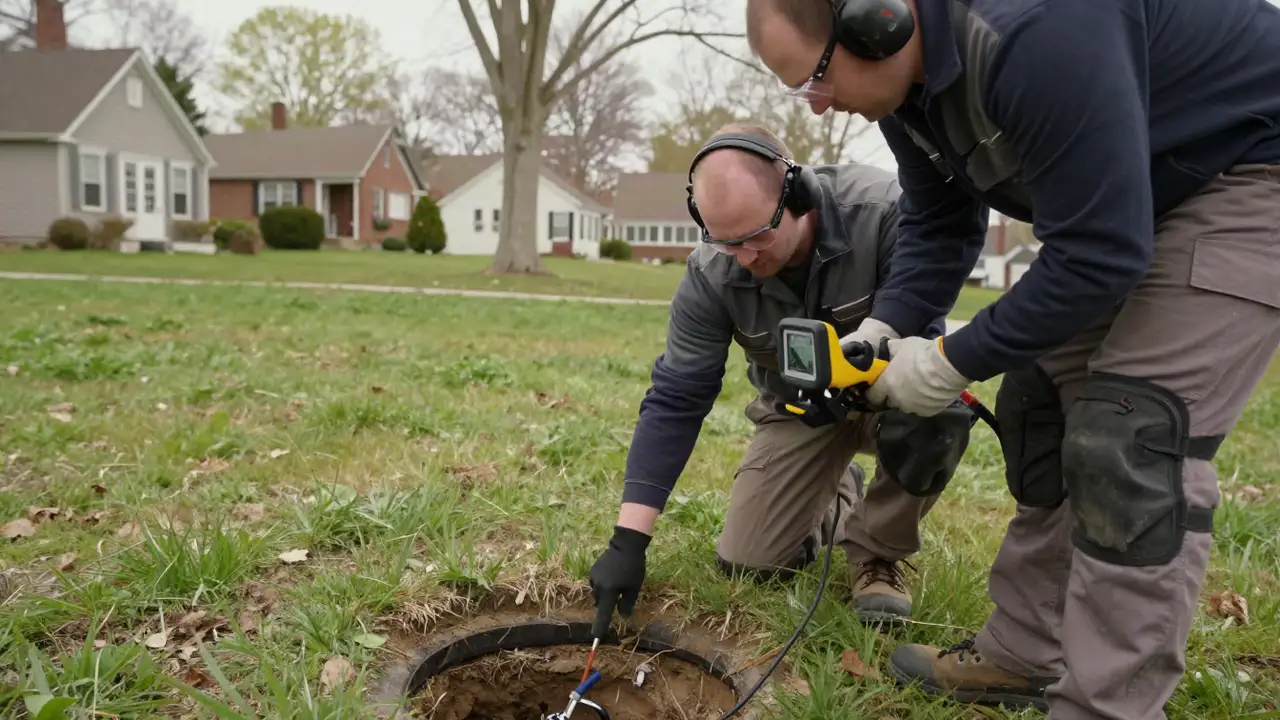
A hidden main line leak can run for months before you notice it. Here is what changes when you call us early instead of waiting for the driveway to sink.
Stop the Water Bill Bleed
A pinhole leak in a main line can waste 10,000 to 30,000 gallons a month. Woburn homeowners have watched quarterly bills jump from $180 to over $900 before they knew anything was wrong. We find the leak in one visit so you can shut it down and stop paying for water that never reaches your tap.
One Small Dig, Not a Trench
Old-school leak chasing meant digging up the whole yard. With an electromagnetic pipe locator and acoustic microphone, we mark the exact break point on the surface. Most repairs need a single 3-foot by 3-foot excavation. Your lawn, walkway, and landscaping stay mostly intact.
Protect Your Foundation
Water from an underground main line leak migrates through soil and finds the path of least resistance, which is often your foundation wall. Over a winter or two, that moisture causes efflorescence, spalling, and in bad cases, a slab leak. Finding it early is far cheaper than foundation repair.
24/7 Emergency Response
Main lines do not wait for business hours. We answer calls at 2 a.m. when a frozen line splits during a January cold snap, and we roll trucks on weekends when a burst line is flooding a yard. Emergency main water line leak repair Woburn MA homeowners can count on, any hour.
Google ★★★★★4.9
Found a main line leak under our driveway that two other companies missed. They used a thermal camera and an acoustic mic and marked the spot within a foot. Repair was clean and the price matched the quote exactly.
Yelp ★★★★★4.8
Called at 6 a.m. on a Saturday with water pooling in the yard. Tech was here by 7:15, had the leak located by 8, and repaired by noon. Flat rate, no weekend price gouging. Highly recommend for any Woburn homeowner.
BBB ★★★★★4.9
We manage several rental properties in Middlesex County and use Leak Detector Pros for all our main line issues. They document everything, give written findings, and never push work that is not needed. Straight shooters.
Google ★★★★★5.0
Our water bill tripled and we had no idea why. They pressure tested the line, found a cracked copper pipe near the foundation, and fixed it the same day. Bill went back to normal the next cycle. Worth every penny.
Leak Detector Pros has been finding and fixing underground main line leaks in Woburn since 2020. In six years, we have run detection on more than 1,400 service lines across Middlesex County, from 1920s copper runs in the Reeves Hill area to newer PEX installs near Horn Pond. Our techs hold Massachusetts plumbing licenses and carry backflow prevention certification, so the repair meets code and passes inspection the first time.
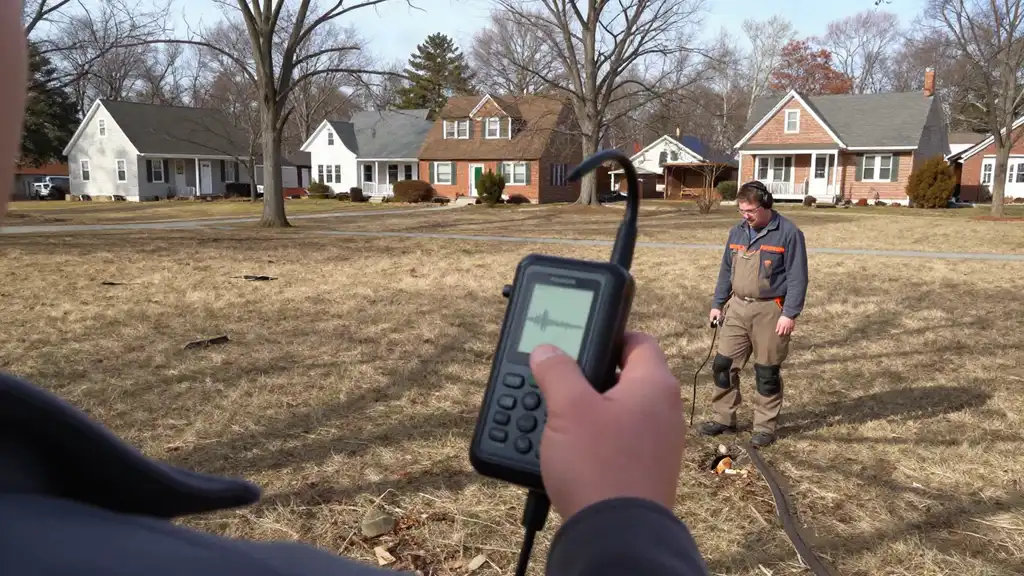
Real answers to the questions we hear most often from local homeowners and property managers.
When an underground main line leak migrates under your foundation, it can turn into a slab leak. We use the same acoustic and thermal tools to find breaks beneath concrete floors in Woburn homes before they crack the slab.
View Slab Leak DetectionA main line leak can travel along a pipe chase and show up as a stain on an interior wall or ceiling. We trace the moisture back to the source so you are not cutting open drywall in the wrong room.
View Wall And Ceiling Leak DetectionWe run gas leak detection with a tracer gas leak detector and ultrasonic leak detector on underground gas service lines. Same non-invasive approach, same goal: find the leak without tearing up the yard.
View Gas Leak DetectionA failing water heater can mimic a main line leak with a wet floor and a high gas bill. We pressure test the main line first to rule it out, then check the tank, fittings, and T&P valve so you fix the right problem.
View Water Heater Leak DetectionCall (123) 456 7890 any time, day or night. We answer 24/7, and most Woburn calls get a tech on site the same day. If you smell gas, leave the building first and call from outside. For everything else, tell us what you are seeing and we will tell you what to shut off before we arrive.
Phone
(123) 456 7890Address
5 Constitution Way Suite A, Woburn, MA 01801
Hours
Mon–Fri: 7AM – 7PM
Sat: 8AM – 4PM
Sun: Emergency Only
24/7 Emergency Available